


When you’re still having migraines after trying Botox, it can leave you wondering what you’re missing. You may have hoped the treatments would mean fewer migraine days, but instead, the headaches keep showing up and getting in the way of your routine. If that sounds familiar, you aren’t necessarily out of options.
Botox can help some people with chronic migraines, but it’s not the right fit for everyone. If you’re still dealing with migraines, there are alternatives to Botox for migraines worth looking into. At Wholistic Healing Experiences in Colorado Springs, we look at things like nervous system function, movement, sleep, nutrition, and other factors that may be playing a role in your symptoms.
Why Botox May Not Be Working for Your Migraines
Botox is approved as a preventive treatment for chronic migraines. It works on the nerve signals involved in pain, and most people get repeat rounds of them every few months. For some, that means noticeably fewer migraines, but for others, the results are underwhelming.
If that sounds familiar, there are a few common reasons Botox isn’t working. A trigger could be flying under the radar or you might be dealing with more than one type of headache at the same time. Another possibility could be that your body just doesn’t respond to Botox. If any of these scenarios are the case, it doesn’t necessarily mean you have run out of options. It may mean there is more to look at.
Alternatives to Botox for Migraines
There is no single alternative to Botox for migraines that works for everyone. Many people look at approaches that address the nervous system, muscle tension, and daily habits. Here are the alternatives to Botox for migraines that people explore most often.
Functional Neurology
Functional Neurology looks at how the brain and nervous system receive and respond to information from the body. An evaluation may include eye movements and visual processing, balance and coordination, reflexes and neurological function, movement patterns, and sensory processing.
Your brain is constantly receiving information from your eyes, inner ears, muscles, and joints. Some people with migraines also notice dizziness, motion sensitivity, eye strain, or discomfort in busy visual environments, such as while driving, working at a computer, or walking through a crowded store. That doesn’t mean your eyes or balance system are the cause of every migraine. However, these systems could be worth looking at when your migraines continue despite treatment. Functional Neurology can help evaluate how they work together and identify patterns that are easy to overlook.
Medical Massage and Manual Therapy
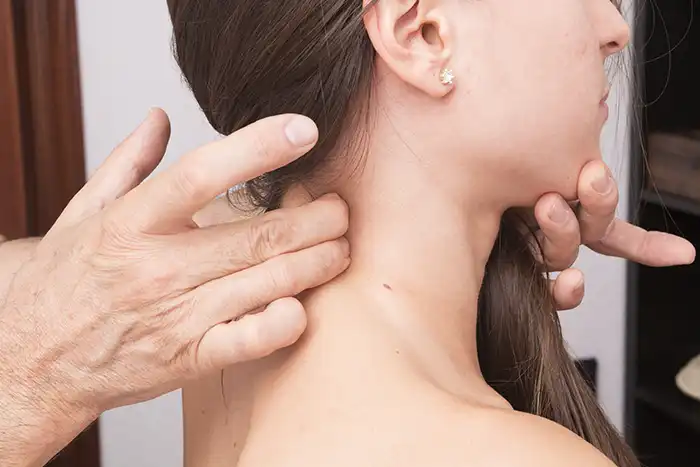
Your neck is in constant conversation with your brain. Tight muscles, old injuries, slouching at a desk, and repetitive movements can all affect that conversation, and for some people, that can contribute to headaches and migraines.
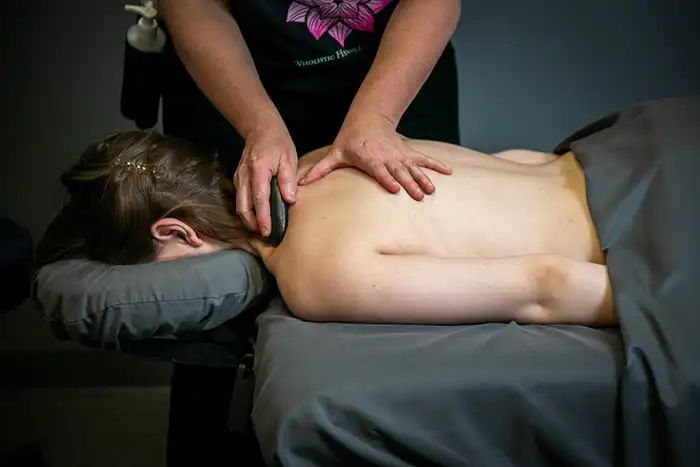
Medical Massage is more focused than a typical relaxation massage. The treatment focuses on specific muscles, tissues, and movement patterns identified during an evaluation. For someone dealing with neck, shoulder, or jaw tension along with their migraines, working on those areas may be a helpful part of their treatment plan.
Nutrition and Trigger Tracking
Some people notice that certain foods or drinks seem to trigger their migraines. Common examples include alcohol, aged cheeses, processed meats, caffeine, or foods with certain additives. However, triggers are different for everyone, and instead of cutting out a long list of foods based on a generic migraine diet, it can be more useful to pay attention to your own patterns. Keeping a journal that tracks food and symptoms may help you see connections between what you eat and when migraines occur.
Regular meals, hydration, and steady blood sugar may also be helpful for some people. Certain supplements, including magnesium, riboflavin, and CoQ10, have also been studied for migraine prevention. If you are considering supplements or major diet changes, talk with your healthcare provider or a qualified nutrition professional about what is appropriate for you.
Stress Management and Mind-Body Therapies
Stress is a common migraine trigger, and practices like meditation, breathwork, yoga, and biofeedback are ways some people help their nervous system settle. The goal is not to eliminate stress, but to build habits that make you less reactive to it over time.
Sleep and Daily Habits
A stressful week, several nights of poor sleep, or a major change in your normal routine may affect migraine patterns. That does not mean stress or lack of sleep is the sole cause of your migraines, but they are worth paying attention to. Going to bed and waking up around the same time, limiting screens before bed, staying hydrated, getting regular movement, and paying attention to caffeine and alcohol may all be useful.
When You Have Already Tried Several Treatments
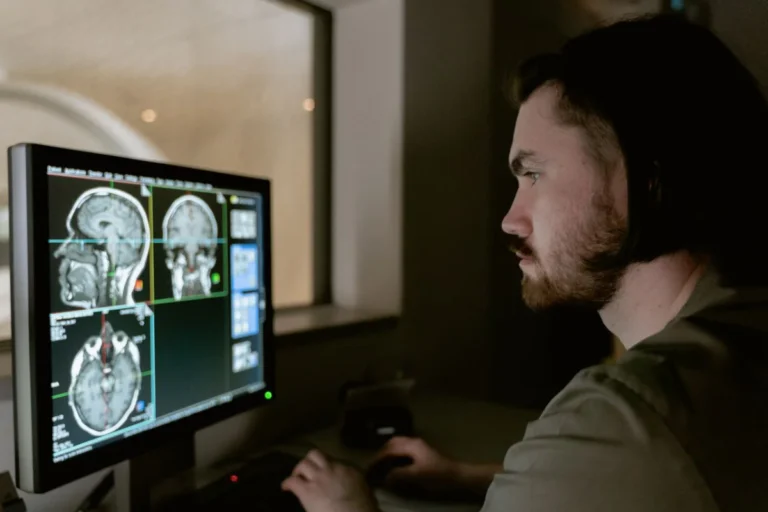
Maybe you have tried Botox, medication, massage, physical therapy, dietary changes, or an MRI. A normal MRI can be reassuring, but an MRI mainly shows the structure of the brain. It does not show every detail of how the brain and nervous system are functioning, and that difference matters when you are trying to understand why symptoms continue.
At Wholistic Healing Experiences, our Pain Solutions approach can bring different therapies together based on your needs. Depending on your evaluation, that may include Functional Neurology, Medical Massage, or other therapies we offer at Wholistic Healing Experiences. Our goal is to understand your symptoms and look for patterns instead of assuming the same treatment will work for everyone.
Take the Next Step Toward Migraine Relief in Colorado Springs
Migraines can affect your whole world. If you have tried Botox and are still searching for answers, Wholistic Healing Experiences offers migraine treatment in Colorado Springs that considers neurological function, movement, soft-tissue patterns, and the brain-body connection.
Contact Wholistic Healing Experiences to schedule an evaluation and learn more about alternatives to Botox for migraines.
Frequently Asked Questions
Can Botox stop working for migraines?
Botox doesn’t work the same way for everyone, and some people continue experiencing migraines despite treatment. Talk with your healthcare provider about ongoing symptoms and treatment options.
What can I try if Botox is not helping my migraines?
Depending on your symptoms, you may discuss medication changes, lifestyle adjustments, nutrition, Medical Massage, Functional Neurology, or other treatment options with your healthcare providers.
What are some alternatives to Botox for migraines?
Alternatives can include medication, lifestyle changes, nutrition support, acupuncture, manual therapies, and approaches such as Functional Neurology, depending on your individual needs.
Can neck tension contribute to migraines?
Neck tension may contribute to headaches or migraine symptoms for some people. Previous injuries, posture, repetitive movements, and changes in neck movement can all affect the muscles and joints.
Can Medical Massage help with migraines?
Medical Massage may help some people when neck tension or soft-tissue problems are part of their symptoms. Treatment should be based on the person’s individual needs and evaluation.
Does food trigger migraines?
Certain foods and drinks may trigger migraines for some people, but triggers vary from person to person. Tracking your meals and symptoms can help you identify your own patterns.
Can stress and poor sleep make migraines worse?
Stress and poor sleep are common migraine triggers for some people. Creating a consistent sleep routine and finding healthy ways to manage stress may help reduce triggers.
Does a normal MRI mean nothing is wrong?
A normal MRI can rule out some structural problems, but it does not show every aspect of brain and nervous system function. You should still discuss persistent symptoms with a healthcare provider.