


When migraines continue showing up despite your best efforts to manage them, it’s natural to wonder what’s missing. You may wonder why you can’t get relief from migraines on a consistent basis. Maybe the treatment you tried didn’t fail completely, but the results were not as consistent, long-lasting, or comprehensive as you hoped.
If you’ve been searching for alternatives to Botox for migraines, or if Botox is not working for your migraines, you are in the right place, and we’re glad you’ve found us.
At Wholistic Healing Experiences, many patients arrive after trying different treatment options, including medications, injections, or lifestyle changes. Results often vary or fade over time. What these patients all have in common is a desire to understand why the migraines keep returning.
Sometimes the missing piece is not simply treating symptoms. It is understanding the deeper brain-body patterns that may be involved in causing recurring migraines.
Why Botox Helps Some Migraine Patients But Not Others
Botox has become a common solution for chronic migraine sufferers. It works by affecting nerve signaling and reducing muscle activity in specific areas associated with migraine symptoms.
For some patients, this can reduce the frequency or intensity of migraines. For others, the results may be minimal, inconsistent, and temporary. There is also the safety concern involved with repeated injections and possible side effects like soreness, fever and flu-like symptoms, or fatigue after treatment.
Migraines are complex neurological events influenced by multiple factors, such as sensory processing, movement patterns, stress responses, previous injuries, and sleep quality. Addressing one aspect of the problem may help, but it may not fully resolve everything contributing to recurring symptoms. The challenge is that migraines are often more complex than they appear on the surface.
What Your Migraines May Be Trying to Tell You
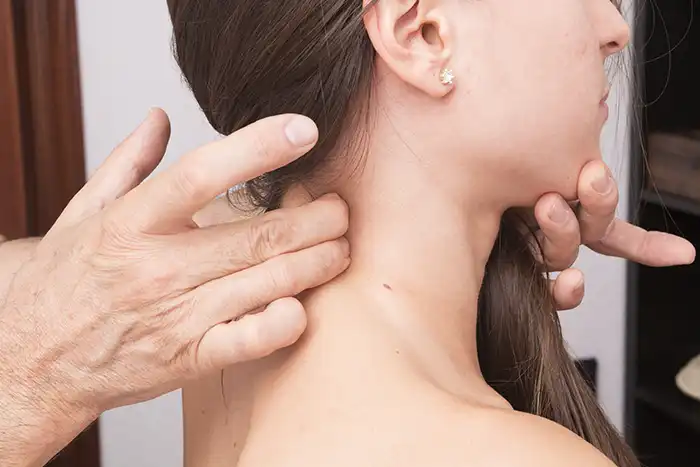
Many people living with migraines might notice other symptoms beyond head pain, including neck tension, balance issues, dizziness, visual sensitivity, jaw tension, brain fog, or other chronic stress patterns. While these symptoms may seem unrelated, they can sometimes reflect broader nervous system dysfunction.
Because the brain relies on constant input from multiple sensory and movement systems, disruptions in that communication can contribute to ongoing sensitivity and recurring symptoms. Over time, that heightened sensitivity may contribute to recurring symptoms elsewhere.
This is why simply focusing on where migraine pain occurs does not always provide the complete picture. At Wholistic Healing, our goal is to understand how these systems are interacting and whether underlying neurological patterns may be contributing to frequent symptoms.
Botox for Migraines Not Working? Here’s The Real Question
When migraine symptoms persist despite treatment, many people ask, “What should I try next?” However, a more productive or accurate question may be, “Why do I continue to get migraines?”
This shift in perspective often changes the entire conversation. Rather than focusing only on symptom suppression, a functional evaluation looks at how the brain and body are communicating. The assessment may explore factors such as:
- Balance and vestibular (inner ear) function
- Eye movement and visual processing
- Sensory integration
- Movement patterns
- Postural stability
- Nervous system regulation
- Previous injuries that may still affect neurological function
The purpose is not to diagnose every migraine trigger. The goal is to identify functional patterns that may be contributing to ongoing symptoms and limiting actual recovery.
Many of our patients find it surprising to learn that long-standing issues elsewhere in the body may influence how their nervous system responds to stress, movement, and sensory input. These discoveries come to light after we have performed a comprehensive evaluation of their health, body, and symptoms.
Looking Beyond Symptoms and Toward Lasting Improvement
One reason migraine sufferers become frustrated is that many treatments are just designed to reduce symptoms. Symptom relief is valuable, especially when someone is dealing with frequent migraines. Fewer headaches can make a tremendous difference in quality of life. However, symptom management and functional improvement are just not the same thing.
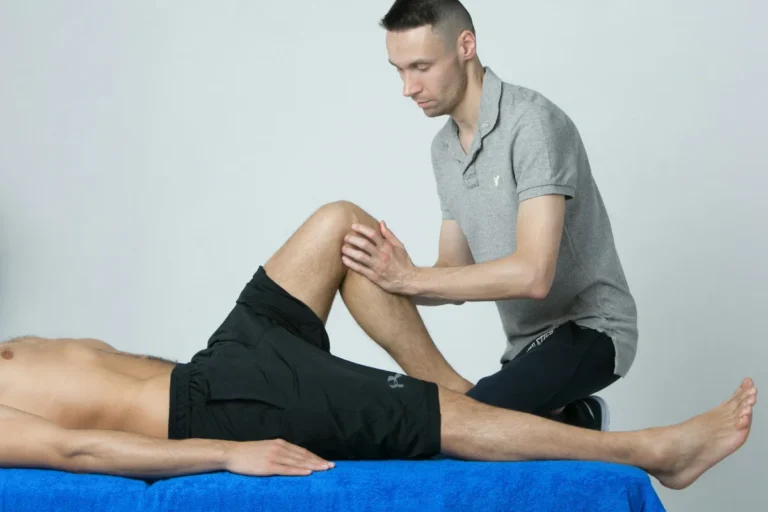
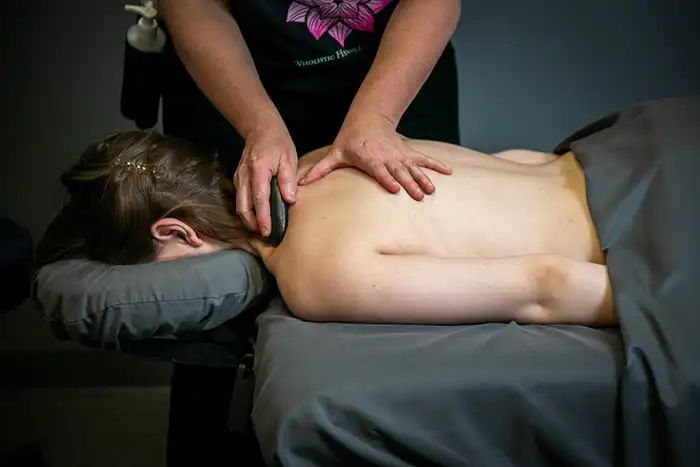
At Wholistic Healing Experiences, our patient care focuses on improving how the nervous system functions as a whole. After completing a comprehensive evaluation, recommendations for a patient may include functional neurology techniques like medical massage, movement-based therapies, and other non-invasive approaches designed to support healthier brain-body communication.
For example, someone experiencing recurring migraines may also experience dizziness, neck stiffness, or other seemingly unrelated symptoms. Addressing these patterns may help explain why migraines keep returning and open the possibility for other treatments.
When You’re Ready for a Different Approach
Modern medicine has made advances in helping people manage migraine symptoms by offering medication and injections. Yet many patients still find themselves asking why the problem keeps returning and wanting a more comprehensive view of healing.
At Wholistic Healing Experiences, we help patients explore the brain-body connections that may be contributing to persistent symptoms. Through a functional evaluation and individualized care recommendations, our goal is to identify factors that may be standing in the way of lasting improvement.
For many patients, the turning point is not finding another temporary solution. It’s finally getting a clearer picture of what may have been overlooked and what is possible for you!
If Botox has not provided the lasting relief you hoped for, it may be time to look deeper. A comprehensive evaluation at Wholistic Healing can help identify factors contributing to recurring migraines and guide the next steps in your care.
Frequently Asked Questions:
Can Botox stop migraines completely?
Some patients experience significant improvement, while others notice only partial relief or temporary benefits.
Why do migraines come back after Botox?
Migraine symptoms can be brought on by a variety of factors. When underlying issues remain untreated, symptoms can continue or return over time.
Is Botox considered a safe migraine treatment?
Botox is commonly used for chronic migraines and is considered appropriate for many patients under medical supervision.
What is functional neurology?
Functional neurology evaluates and supports brain and nervous system function through non-invasive assessment and treatment strategies.
Does Wholistic Healing treat the root cause of migraines?
Wholistic Healing Experiences takes a comprehensive approach to migraine care by looking for contributing factors beyond the headache itself and creating individualized treatment plans based on those findings.
Are non-invasive migraine treatments available?
Yes. Depending on individual findings, care may include functional neurology, medical massage, movement therapies, and other non-invasive approaches.
How long does it take to see results?
Every patient is different. Progress depends on the nature of the condition, contributing factors, and individual response to care.