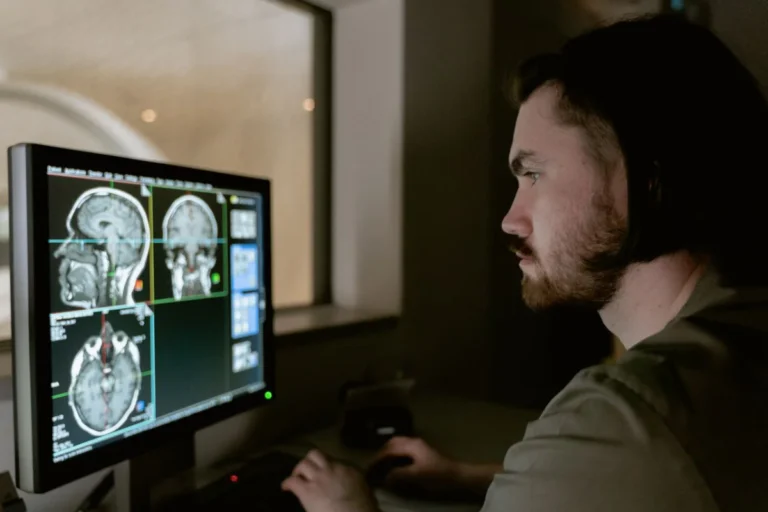



Imagine your pain disappearing, not because you managed it better, but because you finally understood why it was there in the first place.
Sadly, most people never get that answer. They’re told to stretch more, rest more, pop medications, or just live with it. But if you’ve been searching for chronic pain causes and still don’t have clarity, there’s a reason. At Wholistic Healing Experiences, our approach looks beyond the obvious to uncover what’s actually keeping your body stuck in that cycle.
And once you understand what’s really driving your pain symptoms, the path to lasting relief starts to look very different.
Why Most Chronic Pain Causes Are Misunderstood
When people think about chronic pain causes, they often focus on body structure. Tight muscles, inflammation, past injuries, or even posture. While those can contribute, they’re often only part of the issue.
Pain is not just a physical issue; it’s a communication signal from the nervous system. Your brain processes and interprets every sensation in your body, including pain. If that system becomes dysregulated or hypersensitive, the pain can persist even after tissues have technically healed.
This is why so many treatments feel temporary. They address the symptom but not the system controlling it.
At Wholistic Healing Experiences in Colorado Springs, this is where Functional Neurology comes in. Instead of asking “where does it hurt,” the focus shifts to “why is your brain still sending that signal?”
That shift in mindset alone opens up a completely different path forward.
The Root Cause of Chronic Pain Often Starts in the Nervous System
One of the most overlooked chronic pain causes is dysfunction in how the brain and body communicate. This is what many refer to as the root cause of chronic pain.
Your nervous system controls movement, sensation, balance, and even how your body heals. When it’s not functioning properly, pain can become chronic, even without ongoing injury.
This can show up as:
- Pain that moves or changes locations
- Pain that returns after temporary relief
- Sensitivity to touch or movement
- Symptoms that don’t match imaging results
In these cases, the issue isn’t just in the tissue. It’s in the signaling.
Unresolved nerve pain is a key part of this. When nerves are irritated, compressed, or not gliding properly, they can continuously send distress signals to the brain. Over time, the brain can become more sensitive to those signals, creating a loop of ongoing pain. This is why treatments that only focus on muscles or inflammation often fall short.
If you’ve been searching for answers through traditional routes, exploring different treatment options, after a comprehensive evaluation at Wholistic Healing, can help you finally connect the dots between symptoms and cause.
Understanding Chronic Pain Patterns That Keep You Stuck
Another overlooked piece of chronic pain causes is the development of chronic pain patterns. These patterns are not random. They’re learned responses within your nervous system.
When pain occurs repeatedly, your brain starts to anticipate it. It builds protective patterns around it, altering movement, posture, and even muscle activation. Over time, these adaptations can reinforce the pain instead of resolving it.
For example, you might unconsciously avoid certain movements. This can create compensation patterns elsewhere in the body, leading to new areas of discomfort. Eventually, it feels like your pain is spreading or evolving. This is why many people say, “I fixed one thing, but now something else hurts.”
The body is trying to protect you, but without correcting the underlying neurological pattern, it keeps repeating the cycle.
Functional Neurology and targeted holistic therapies focus on retraining the brain and restoring proper communication so those patterns can finally break.
If you’re curious how this approach works in practice, exploring these types of treatments can give you a clearer idea of what’s possible.
Why Unresolved Nerve Pain Keeps Coming Back
Unresolved nerve pain is a major reason chronic pain doesn’t stay gone. Unlike muscle soreness, nerve-related pain is often persistent and harder to pinpoint.
Nerves need to move and glide freely through surrounding tissues. When they don’t, due to injury, inflammation, or long-term tension, they become irritated and continue sending signals to the brain, even after the original issue has resolved.
Over time, the brain can become hypersensitive to those signals. This is known as central sensitization, where the nervous system stays in a heightened state of alert. As a result, even normal movement or light pressure can feel painful.
Addressing this requires more than standard treatments. It involves improving nerve mobility, restoring brain-body communication, and calming the nervous system.
At Wholistic Healing, we approach chronic pain through a combination of medical massage, functional neurology, and targeted therapies, with the goal of creating lasting resolution, not just temporary relief.
What Actually Helps Break the Cycle of Chronic Pain
If chronic pain causes are rooted in the nervous system, then the solution has to involve retraining it. This doesn’t mean ignoring the body. It means working with both the brain and body together to build new patterns.
Effective approaches often include:
- Functional neurology to restore brain balance
- Medical massage to reduce physical tension and improve circulation
- Nerve mobilization techniques to improve nerve function
- Movement retraining to correct chronic pain patterns
This is especially important for people who feel like they’ve tried everything. If treatments haven’t worked long term, we encourage you not to lose hope. Often, this means no one has addressed the right system yet.
Many clients discover that once the brain and nervous system are included in the process, progress starts to feel more effective and long lasting.
The Good News: You Can Break the Cycle
Chronic pain can feel unpredictable and exhausting, especially when it keeps coming back without a clear reason. But when you understand that the nervous system roots many chronic pain causes, things start to make more sense.
It’s not just about tight muscles or past injuries. It’s about how your brain responds to signals from your body. When that system is out of balance, pain can persist even when a damaged area has technically healed.
At Wholistic Healing Experiences, our focus is on identifying the root cause of chronic pain. Through Functional Neurology, medical massage, and targeted therapies, our goal is to restore balance to stop the pain cycle.
If you’re ready to stop chasing temporary relief and start addressing what’s really driving your pain, explore how Wholistic Healing can support you.
Frequently Asked Questions:
Why do chronic pain causes often go undiagnosed?
Many chronic pain causes are linked to nervous system dysfunction, which does not always show up on imaging. This makes it harder to identify through traditional methods alone.
What is the root cause of chronic pain in most cases?
The root cause of chronic pain often involves miscommunication between the brain and body. This can lead to ongoing pain signals even without active injury.
How does unresolved nerve pain develop?
Unresolved nerve pain can develop from irritation, compression, or lack of proper movement in the nerves. Over time, this creates persistent signaling to the brain.
What are chronic pain patterns?
The body and brain learn chronic pain patterns that reinforce pain over time. These patterns can affect movement, posture, and sensitivity.
Can chronic pain exist without injury?
Yes, chronic pain can continue even after tissues have healed. This is often due to nervous system dysregulation rather than structural damage.
Why does pain move to different areas of the body?
Pain can shift due to compensation patterns and nervous system sensitivity. The body adapts to pain in ways that can create new areas of discomfort.
How does functional neurology help chronic pain?
Functional neurology focuses on restoring proper brain function and communication. This helps reduce faulty pain signals and improve the nervous system by supporting balance.
How long does it take to break chronic pain cycles?
The timeline varies depending on the individual and severity. However, addressing the nervous system often leads to more lasting improvements.
Who should consider a holistic approach to pain?
Anyone experiencing persistent, recurring, or unexplained pain may benefit from a holistic approach that addresses both the brain and body.