

Some injuries heal exactly the way they should. Others seem to linger no matter how much time passes. Is it possible that the tissue never fully healed in the first place?
At Wholistic Healing Experiences, many patients searching for SoftWave therapy come in after months or even years of trying to “manage” recurring pain. They may have already tried various means of relief such as stretching, physical therapy, or injections. Perhaps some patients had temporary relief, while others noticed little change with treatment. But the common frustration is usually the same: the problem keeps coming back.
Damaged tissue can continue affecting movement and function long after the initial injury occurred. At Wholistic Healing, SoftWave Therapy is used to help stimulate regenerative activity within damaged tissue while supporting the body’s natural recovery processes.
For many people, it becomes a turning point in how they think about healing.
Why Damaged Tissue Sometimes Struggles to Heal
The body is designed to heal, but just as no two bodies are identical, healing is not always as straightforward as people expect.
Soft tissue injuries involve more than muscles alone. Recovery can be influenced by tendons, fascia, nerves, and other systems throughout the body. When those systems stay disrupted and inflamed for too long, the body may continue operating in a protective state even after the original injury improves, which is one reason some injuries become chronic.
Patients often describe these chronic injuries as:
- Tightness that never fully goes away
- Pain that flares up during activity
- Stiffness after rest
- Weakness or instability
- Restricted movement
- Areas that always feel “inflamed”
In many cases, the body adapts around dysfunction instead of fully resolving it. Over time, those compensation patterns can radiate stress on surrounding muscles and joints, creating even more irritation.
At Wholistic Healing Experiences, the goal is not simply to chase symptoms. The focus is understanding why the tissue stopped recovering efficiently and helping restore healthier healing patterns throughout the body using state-of-the-art technology like SoftWave therapy.
What Is SoftWave Therapy?
SoftWave Therapy is a non-invasive regenerative treatment that uses electrohydraulic shockwave technology to stimulate healing within damaged tissue. The treatment works by delivering acoustic waves deep into targeted areas of dysfunction. These waves help stimulate circulation, cellular activity, and tissue regeneration within the body.
At Wholistic Healing, we use SoftWave therapy to treat patients dealing with lingering tissue injuries that never fully resolved or continue flaring up. Unlike treatments designed primarily to numb symptoms temporarily, SoftWave therapy focuses on improving the tissue environment itself.
Because treatment is comfortable and non-invasive, there is no surgical recovery period or lengthy downtime afterward. Many patients continue their day as norma,l throughout care.
How SoftWave Therapy Supports Tissue Repair
One of the reasons SoftWave Therapy has gained attention in regenerative medicine is because of how it stimulates the body on a cellular level.
The acoustic waves used during treatment help stimulate the body’s natural healing abilities associated with tissue repair and recovery. This may include improved blood flow, enhanced oxygen delivery, and increased cellular signaling – resulting in repair of damaged tissue.
For chronic injuries, this matters because poor circulation and prolonged inflammation can interfere with proper healing. Areas can become tight, weak, hypersensitive or movement is restricted.
When tissue stays irritated too long, the nervous system will interpress stress and danger and naturally begin to adapt, in order to compensate. For example, a sore knee in one leg will cause a patient to limp and use the other leg predominantly. Although this may give some temporary relief, it does not restore healthy movement or healing.
SoftWave Therapy encourages the body to re-engage healing activity in those damaged areas. At Wholistic Healing, this therapy is often combined with treatments that support nervous system regulation, mobility, and functional movement patterns. That whole-body approach is important because long-term pain and dysfunction rarely involve just one area of the body. The brain and body constantly work together during recovery.
Why Patients Are Looking Beyond Temporary Relief
For many people, medications, injections, or traditional therapies may absolutely serve an important purpose during recovery. There is nothing wrong with wanting pain relief, but many patients do reach a point where they start asking a different question.
Instead of asking, “How do I calm this down temporarily?” they start asking, “Why does this keep happening?” That shift in thought is often what leads patients to explore regenerative therapies like SoftWave.
Many people seeking SoftWave therapy in Colorado Springs are frustrated by recurring cycles of pain and recovery setbacks. They want to feel stronger, move better, and support actual healing instead of constantly managing flare-ups.
This is especially common among:
- Active adults
- Athletes
- Patients recovering from repetitive strain injuries
- Individuals with chronic inflammation
- People trying to avoid more invasive procedures if possible
The goal is not simply symptom suppression. The goal is restoring healthier function so the body becomes more resilient over time.
What to Expect During SoftWave Therapy Treatment
SoftWave Therapy sessions are performed in-office and typically require little to no downtime afterward.
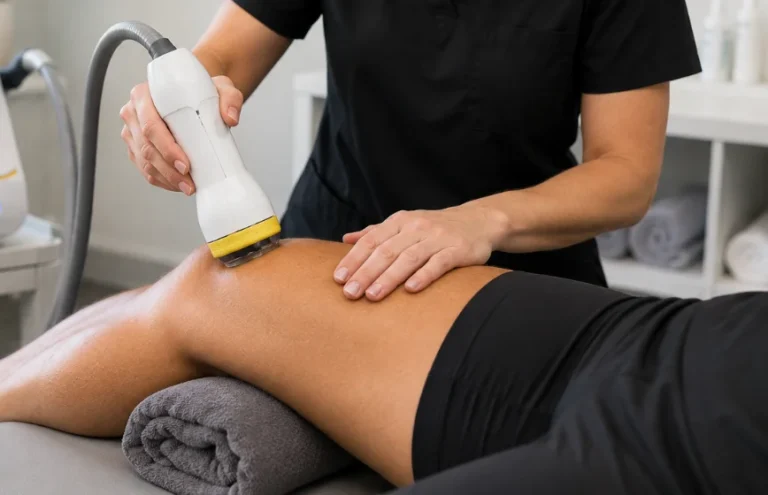
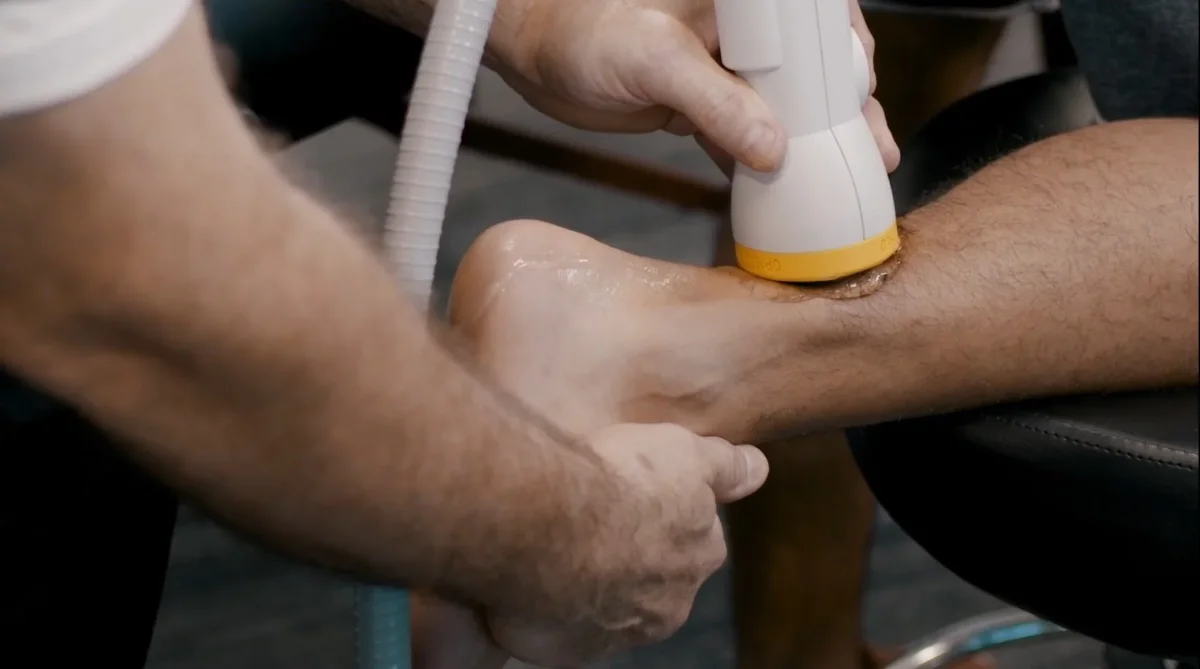
During treatment, your provider will use a handheld applicator that delivers acoustic waves directly into the affected tissue. Some areas may feel more sensitive depending on inflammation levels or how irritated the tissue has become, but most patients say treatment is comfortable.
Some patients notice improvements relatively quickly, while others experience more gradual progress as tissue recovery continues over multiple sessions. Treatments depend on different factors including; severity & duration of symptoms, activity level, individual healing response.
Healing is not always linear, especially when injuries have existed for a long time. That is why treatment plans at Wholistic Healing are individualized based on the patient’s symptoms, movement patterns, and overall goals.
A Different Perspective on Recovery
When pain becomes chronic, many people naturally disconnect from activities they once enjoyed. Perhaps workouts become frustrating, movement feels unpredictable. Or maybe recovery takes longer than it should. It’s easy for patients to begin assuming their body is simply “wearing out.”
But in many cases, the issue is not that the body stopped healing entirely. The issue is that the healing process became inefficient, incomplete, or stuck in protective patterns that never fully resolved. That is why regenerative therapies are such an important alternative.
At Wholistic Healing Experiences, SoftWave Therapy is part of a broader approach focused on restoring function, improving nervous system balance, and helping the body recover more effectively. We design patient care around understanding the deeper brain-body and tissue patterns contributing to dysfunction and ultimate healing.
For patients looking for SoftWave therapy Colorado Springs, that often feels like a very different conversation than they have had elsewhere. If you are looking for a non-invasive approach to tissue recovery and healing support, contact us to get more information or set up a comprehensive evaluation.
Frequently Asked Questions:
What conditions can SoftWave Therapy help?
Common treatment areas include shoulders, knees, hips, tendons, fascia, plantar fasciitis, and chronic soft tissue injuries.
Is there downtime after treatment?
Most patients return to normal activities shortly after their appointment, with little or no downtime.
Can SoftWave Therapy help chronic injuries?
Yes. Many patients seek treatment for injuries that never fully healed or continue recurring during activity.
Is SoftWave Therapy the same as ultrasound therapy?
No. SoftWave uses electrohydraulic shockwave technology designed to stimulate regenerative healing responses differently than traditional ultrasound therapies.
How many treatments are usually needed?
Treatment recommendations depend on the severity, duration, and complexity of the condition being treated.
Can SoftWave Therapy help reduce inflammation?
The therapy may help support healthier tissue repair and inflammatory regulation within damaged areas.
Who is a good candidate for SoftWave Therapy?
People dealing with chronic soft tissue pain, sports injuries, inflammation, or slow healing may benefit from a comprehensive evaluation.
Why are more people exploring regenerative therapies?
Many patients want approaches that support healing and function instead of relying only on temporary symptom management.