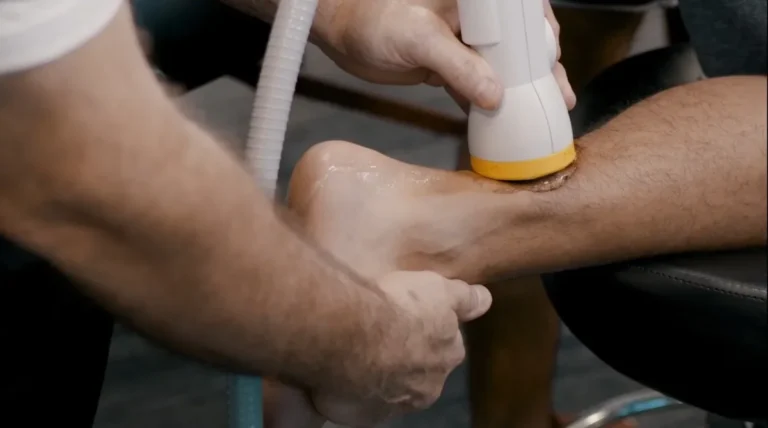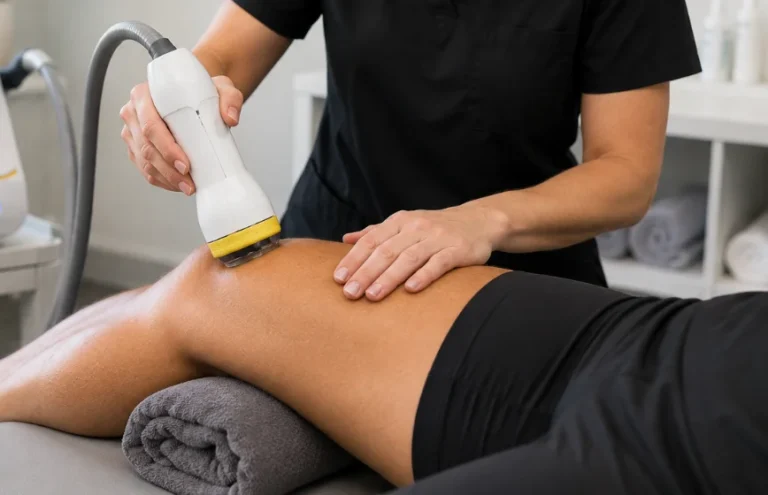



Active adults across the region are discovering a new way to bounce back from training, competition, and everyday wear on the body. At Wholistic Healing Experiences, we’re seeing more runners, CrossFit athletes, and weekend warriors asking how SoftWaveTRT therapy for athletes can help them recover faster, reduce pain, and stay active. This growing interest isn’t a passing trend. It reflects a shift toward non-invasive, drug-free options that support the body’s own healing process rather than just masking pain.
At Wholistic Healing Experiences in Colorado Springs, our approach focuses on identifying the source of pain and creating personalized treatment plans that help patients heal naturally.
If you push your body hard, you already know that recovery is where real progress happens. Muscles repair, joints recalibrate, and tissue rebuilds stronger during the downtime between workouts, races, and competitions. When that recovery process is interrupted by nagging pain or a stubborn injury, it can derail months of hard work. That’s where SoftWave therapy has stepped in as a compelling option for people who want to stay active without relying on medication or surgery.
What Is SoftWaveTRT Therapy and Why Athletes Are Paying Attention
SoftWaveTRT therapy uses electrohydraulic shockwave technology to stimulate healing at the cellular level. Unlike older shockwave devices that focus energy on a single narrow point, SoftWaveTRT disperses broad, parallel acoustic waves across a wider treatment area. This design allows the therapy to reach deeper tissue while still feeling comfortable, which is part of why it has become popular with athletes managing sports-related pain.
The technology was originally developed for regenerative medicine and has since been adopted across orthopedics, physical therapy, and sports medicine. It works by triggering the body’s natural repair mechanisms, encouraging blood flow, and reducing inflammation in the treated area. For athletes dealing with overuse injuries or chronic soreness, this kind of targeted stimulation can make a noticeable difference in how quickly they get back to full activity.
How SoftWaveTRT Therapy Activates Stem Cells
One of the reasons SoftWaveTRT therapy has gained attention among athletes is its ability to stimulate the body’s own regenerative processes. Rather than simply masking discomfort, SoftWaveTRT delivers acoustic waves that create a controlled healing response within the treated tissue. This response signals the body to send more of its natural repair cells, including stem cells, to the area that needs healing.
Stem cells play an important role in repairing damaged muscles, tendons, ligaments, and other soft tissues. As people age or continue placing repetitive stress on their bodies through training, the body’s ability to recruit these cells can slow down. SoftWaveTRT therapy helps reactivate this process by stimulating the release of healing signals that encourage stem cells to migrate to injured tissue, where they support cellular repair and tissue regeneration.
In addition to stem cell activation, SoftWaveTRT therapy promotes increased circulation, encourages the formation of healthy new blood vessels, and helps reduce chronic inflammation that can interfere with recovery. These combined effects create an environment where damaged tissue has a better opportunity to heal naturally. For athletes, this means addressing the underlying cause of pain instead of simply covering up symptoms, allowing you to return to training with greater confidence and improved long-term performance.
The Connection Between Sports Recovery and Long-Term Performance
Sports recovery isn’t just about feeling less sore the day after a hard workout or event. It’s about protecting the tissue, tendons, and joints that allow you to keep training year after year without breaking down. Runners who log high weekly mileage, CrossFit athletes who cycle through demanding workouts, and weekend warriors who pack intense activity into a couple of days each week all place repetitive stress on the same structures. Over time, that stress can lead to tendinopathy, plantar fasciitis, or persistent joint pain if recovery isn’t prioritized.
SoftWaveTRT therapy fits into this picture as a proactive recovery tool rather than a last resort. Because it’s non-invasive and typically requires only a short session, many people use it as part of an ongoing maintenance plan alongside stretching, mobility work, and proper rest. This approach treats recovery as an active practice, not something that only happens when an injury sidelines you.
How Injury Recovery Benefits From a Non-Invasive Approach
Traditional injury recovery often involves a mix of rest, physical therapy, and sometimes medication or invasive procedures. While these methods still have their place, many athletes are looking for options that don’t require downtime or carry the risks associated with surgery. SoftWaveTRT therapy offers an alternative that works with the body’s biology instead of overriding it, which is appealing to people who want to stay engaged in their training as much as possible.
The therapy has shown particular promise for common athletic injuries such as achilles tendinopathy, rotator cuff issues, and patellar tendon pain. Because the shockwaves stimulate blood flow and cellular repair, tissue that has been slow to heal on its own may respond more quickly once treatment begins. This doesn’t mean SoftWaveTRT replaces smart training habits or proper rehabilitation. It works best as one part of a comprehensive recovery plan built around your specific goals and injury history.
What a SoftWaveTRT Session Actually Looks Like
SoftWaveTRT therapy for athletes may leave you wondering what to expect before you book your first session. Treatments are typically short, often lasting somewhere between ten and fifteen minutes depending on the area being addressed. There’s no anesthesia, no incisions, and no extended recovery period, so most people can return to their normal routine the same day.
During the session, our practitioner will apply the device directly to the affected area, delivering acoustic pulses that penetrate beneath the skin. Some patients notice mild discomfort during treatment, similar to a deep pressure sensation, but this typically fades quickly. Results vary from person to person, and the number of sessions needed depends on the severity and type of injury being treated. We can walk you through a realistic timeline once we’ve assessed your specific situation.
Why Wholistic Healing Experiences Approaches Recovery Differently
At Wholistic Healing Experiences, we believe recovery should be personalized rather than one-size-fits-all. Every athlete’s body responds differently to training stress, and the right recovery plan takes into account your activity level, injury history, and long-term goals. SoftWaveTRT therapy is one of several tools we use to help active adults address pain and support tissue healing without resorting to invasive procedures.
Our team takes time to understand what you’re training for, whether that’s a marathon, a CrossFit competition, or simply staying active without pain holding you back. This context shapes how we recommend combining SoftWaveTRT therapy with other supportive practices.
Is SoftWaveTRT Therapy for Athletes Right for You?
Not every injury calls for the same treatment, and it’s worth having an honest conversation about your specific situation before starting any new therapy. SoftWaveTRT tends to work well for chronic or overuse injuries where inflammation and slow tissue repair are part of the problem. It may be less appropriate for acute injuries that require immediate medical evaluation, such as fractures or significant ligament tears.
The best way to find out if SoftWaveTRT therapy fits your recovery needs is to talk with a practitioner who can assess your injury and activity level directly. They can explain what results are realistic for your case and how the therapy might work alongside other treatments you’re already using. Being upfront about your training schedule and goals helps your provider build a plan that actually supports your return to activity.
If you’re dealing with a nagging injury or simply want to recover smarter between training sessions, it’s worth exploring whether this approach fits your needs. Visit our pain solutions page to learn more about how SoftWaveTRT therapy for athletes could support your recovery and help you get back to doing what you love.
Frequently Asked Questions:
Does SoftWaveTRT therapy hurt during treatment?
Most patients describe the sensation as a deep pressure or mild discomfort rather than sharp pain, and it typically eases as the session continues.
How many sessions are usually needed to see results?
This depends on the injury, but many treatment plans involve several sessions spaced roughly a week apart for the best cumulative effect.
Can runners use SoftWaveTRT therapy for plantar fasciitis?
Yes, plantar fasciitis is one of the more common conditions treated with SoftWaveTRT, since the therapy targets inflammation and encourages tissue repair in the foot.
Is SoftWaveTRT therapy safe for people with previous surgeries?
It’s important to discuss any surgical history with your practitioner, since certain hardware or healing tissue may affect where and how treatment is applied.
Will I need to stop training while undergoing SoftWaveTRT treatment?
Many people continue modified training during treatment, though your practitioner may recommend adjusting intensity depending on your injury.
How does SoftWaveTRT compare to physical therapy alone?
SoftWaveTRT is often used alongside physical therapy rather than as a replacement, since the two approaches address recovery from different angles.
Are there any side effects associated with SoftWaveTRT therapy?
Some patients experience mild soreness or redness in the treated area afterward, but this usually resolves within a day or two.
Can CrossFit athletes use SoftWaveTRT for shoulder or elbow pain?
Yes, overuse injuries common in CrossFit, such as shoulder impingement or elbow tendinopathy, are conditions SoftWaveTRT is frequently used to address.
Is SoftWaveTRT therapy covered by insurance?
Coverage varies widely by provider and plan, so it’s best to check directly with your insurance company and the clinic beforehand.
How soon after an injury can someone start SoftWaveTRT therapy?
Timing depends on the type and severity of the injury, and a practitioner should evaluate you before recommending when treatment should begin.