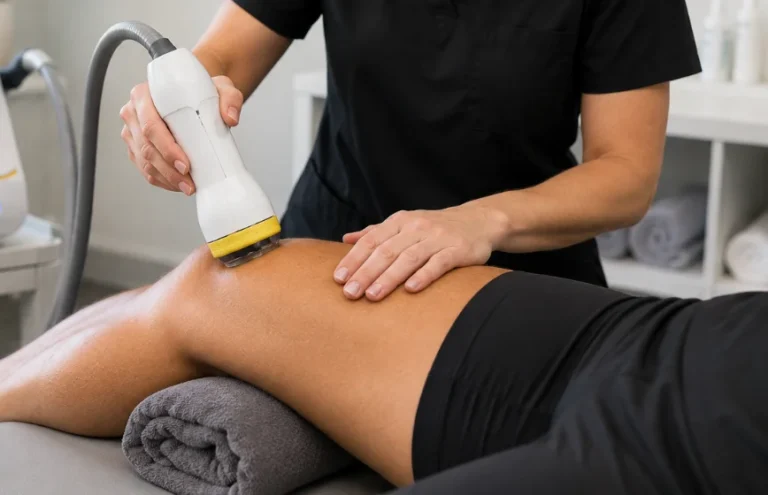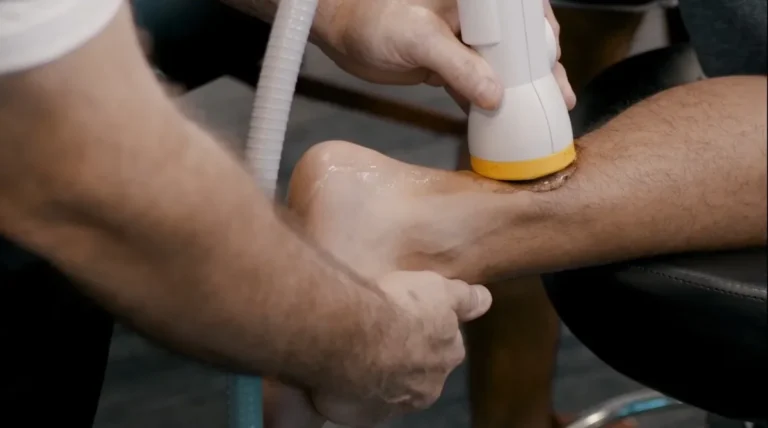



If you’ve tried shockwave therapy hoping it would help you get back to your normal routine but your pain is still there, it’s normal to wonder whether another approach might help. At Wholistic Healing Experiences in Colorado Springs, our therapists work with people looking for ways to address ongoing pain and improve movement. Experiencing pain after shockwave therapy does not necessarily mean every form of acoustic wave therapy will produce the same outcome.
Different devices use different technologies, and your symptoms may also point to factors that deserve another look. Before giving up on treatment altogether, it helps to understand why results vary, what to reassess, and how SoftWaveTRT may fit into your next steps.
Why Can Pain Reoccur After Shockwave Therapy?
Shockwave therapy uses acoustic energy to interact with tissue. It’s used for certain musculoskeletal conditions, including some tendon injuries and other soft tissue problems. However, treatment outcomes can vary.
One factor to consider is whether the treatment you tried addressed the main source of your pain. For example, pain around your shoulder could involve a tendon problem, joint irritation, muscle dysfunction, or several factors at once. If the underlying issue was not fully identified, focusing treatment on one area may leave you with recurring pain after shockwave therapy.
The type and severity of the condition can also influence recovery. A recent injury may require a different approach than a long-standing tendon problem. Your activity level, previous injuries, and the amount of stress placed on the affected area can all play a role in how symptoms change over time.
It’s also important to understand the expected treatment timeline. Some people notice improvement sooner than others, and progress may be gradual. If you are experiencing pain after shockwave therapy, consider discussing your response with a qualified therapist who can help you understand whether your progress fits the expected course for your condition.
Not All Shockwave Therapy Devices Work the Same Way
The term shockwave therapy can refer to treatments that use different technologies to deliver acoustic energy. The way a device generates its waves and distributes energy through tissue can influence the treatment area and depth.
According to SoftWaveTRT’s official technology overview, its system uses electrohydraulic technology to generate shockwaves through a high-energy electrical discharge in water. SoftWaveTRT describes this design as producing broad-focused, parallel acoustic waves that reach both superficial and deeper tissue. The company explains that this wider treatment area is intended to stimulate biological responses in the targeted tissue, including processes that are involved with the body’s natural healing response.
Other shockwave devices may use radial pressure waves or different focused-wave technologies. These approaches are not identical, so the experience and treatment goals may differ depending on the device and the condition being addressed.
The difference between devices is worth discussing if a previous treatment did not provide the improvement you expected. However, a different technology doesn’t guarantee a better result. The important question is whether the treatment is appropriate for your specific symptoms and whether its potential benefits align with your goals.
Why Professional Sports Teams Are Using SoftWaveTRT Technology
SoftWaveTRT technology has also gained attention in professional sports, where managing injuries and supporting recovery are important parts of keeping athletes on the field or court. SoftWaveTRT reports that its technology is used by professional sports organizations, including teams across the NFL, NBA, MLB, and NHL. While professional sports use does not guarantee results for every person, it highlights the growing interest in non-invasive approaches to supporting recovery.
Questions to Ask Before Trying Another Treatment
You don’t need to know exactly which treatment you need before scheduling an evaluation. Going into the conversation with a few questions can help you understand your options and make a more informed decision.
Consider asking:
- What might be contributing to my ongoing pain?
- Was my previous treatment appropriate for the condition being addressed?
- How long should I expect to wait before assessing progress?
- Could movement patterns, activity levels, or other factors be affecting my recovery?
- How does SoftWaveTRT differ from the device I previously tried?
- What are the potential benefits and limitations of this treatment for my symptoms?
- How will we track progress and decide whether the treatment is helping?
These questions encourage a conversation about your specific situation rather than a one-size-fits-all recommendation.
Your Evaluation Matters More Than Choosing a Device
When you are tired of hurting, it’s easy to focus on finding the next treatment. But choosing a therapy before understanding the problem can lead to more frustration. An evaluation helps determine whether the pain fits the condition being addressed or whether other factors need attention.
At Wholistic Healing Experiences, our therapists consider your symptoms, injury history, and how discomfort affects your movement and daily activities. This information helps guide the discussion about which services may be appropriate and whether additional evaluation is needed. For example, someone dealing with a persistent tendon problem may need a plan that accounts for the affected tissue and the demands placed on it. Someone whose pain has spread beyond the original area may need a closer assessment to understand whether another structure or issue is involved.
SoftWaveTRT therapy is one great option our therapists can discuss for selected musculoskeletal concerns. The goal is to understand your needs, explain the available options, then help you determine a reasonable next step. Not to promise that a particular device will resolve every case of persistent pain. You can read more about how SoftWaveTRT may fit into care for ongoing symptoms in our article on SoftWaveTRT Therapy for Recurring Pain.
Explore SoftWaveTRT at Wholistic Healing Experiences
If a previous treatment did not meet your expectations, it doesn’t mean you’ve run out of options. Different technologies, a better understanding of your symptoms, and a more individualized plan may help you identify a path forward.
Wholistic Healing Experiences offers SoftWaveTRT in Colorado Springs for selected musculoskeletal concerns. Our therapists will discuss your experience with previous treatments, help you understand how SoftWaveTRT works, and determine whether an evaluation is a reasonable next step.
If you’re ready to explore your next step toward less pain, visit our SoftWaveTRT Therapy in Colorado Springs page to learn more about the treatment and connect with our team to take the next step toward pain relief.
Frequently Asked Questions:
Is it normal to still have pain after shockwave therapy?
Results vary depending on the condition, treatment approach, and individual factors. If your pain persists or worsens, discuss your response with a qualified therapist to understand what may be affecting your progress.
How long does shockwave therapy take to work?
There is no single timeline that applies to every condition or person. Ask your therapist what changes to look for and when it makes sense to review your progress.
Does pain after shockwave therapy mean the treatment failed?
Not necessarily. Improvement may take time, or the original treatment plan may need reassessment. Reviewing your symptoms and response to treatment can help clarify what to consider next.
Can SoftWaveTRT help if another shockwave treatment did not?
SoftWaveTRT uses a different technology from some other shockwave devices, which may make it worth discussing for certain conditions. However, it is not guaranteed to work when another treatment has not.
What makes SoftWaveTRT different from other shockwave devices?
SoftWaveTRT uses electrohydraulic technology and a patented parabolic reflector to deliver broad-focused acoustic waves across a wider treatment zone. Other devices may use radial pressure waves or different focused-wave technologies.
What conditions may be treated with SoftWaveTRT?
The manufacturer lists applications involving selected tendon problems, plantar fasciitis, certain joint-related pain, and muscle injuries. Whether SoftWave is appropriate depends on your condition and the device’s authorized uses.
Is SoftWave therapy invasive?
SoftWave therapy is designed as a non-invasive treatment that delivers acoustic energy through an applicator. Your therapist can explain what a session involves and whether the approach is appropriate for your needs.
SoftWave TRT, https://softwavetrt.com/softwave-technology/.