

When pain starts affecting how you move through daily life, whether you are walking, sleeping or exercising, you want relief quickly. For many people, steroid injections become part of the conversation with their healthcare provider because they are commonly used to calm inflammation and reduce pain symptoms.
When comparing treatments available, many patients are not just evaluating how quickly pain can improve. They are also considering how each approach fits into their long-term goals for movement, activity, and quality of life.
At Wholistic Healing Experiences in Colorado Springs, we find that many people are comparing steroid injections versus alternative treatments because they want to understand their options before making a decision. Some have already tried injections. Others are trying to avoid them if possible. And others simply want a more complete explanation of why pain keeps interrupting their life.
This comparison is not about saying one option is always right and the other is always wrong. It is about understanding the difference between temporary symptom relief and a care plan designed to support movement, tissue health, nervous system function, and long-term recovery.
Why Steroid Injections Are Commonly Used
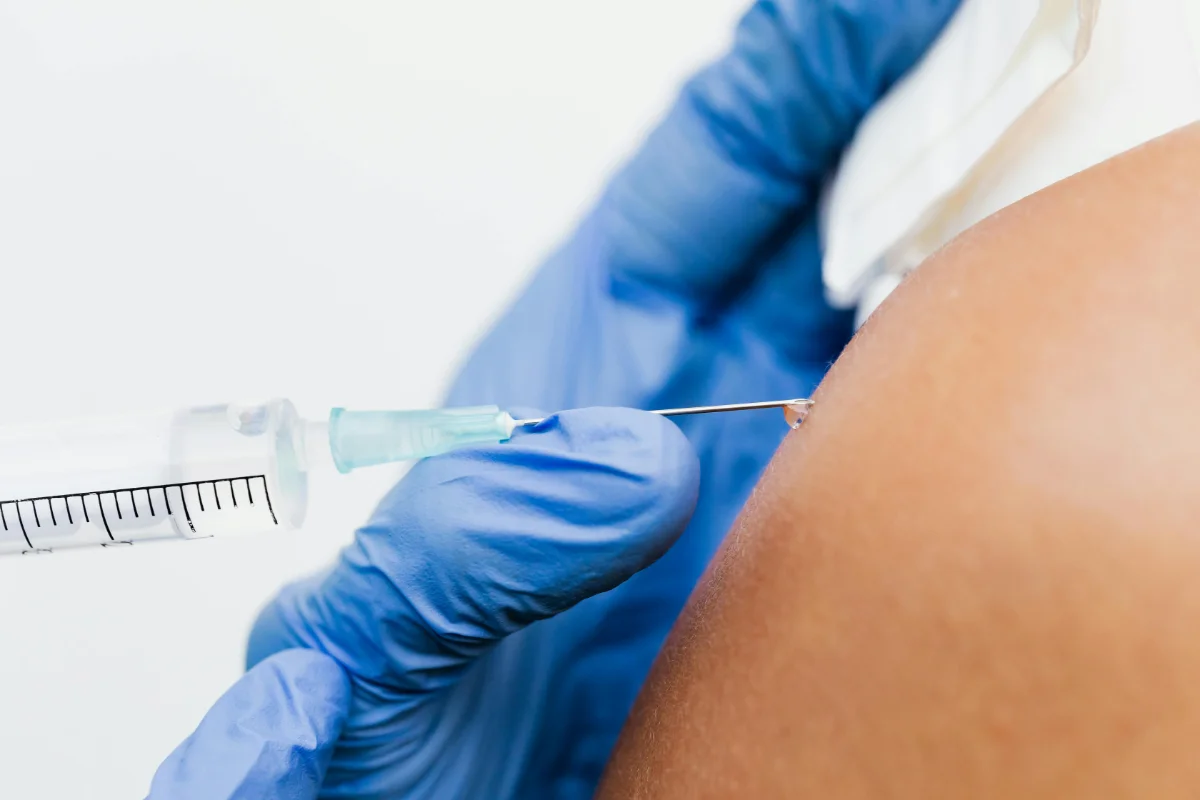
Steroid injections are often recommended when inflammation is believed to be contributing to pain. They may be used for joint pain, back pain, neck pain, shoulder pain, sciatica-related symptoms, tendon irritation, or other musculoskeletal concerns.
For some patients, steroid injections can help manage symptoms and improve comfort in the short term. The limitation is that pain relief does not always mean the underlying issue has been fully resolved.
If the same movement pattern, tissue restriction, weakness, postural stress, nerve irritation, or compensation remains in place, symptoms are more likely to return. This is where many patients begin comparing steroid injections versus alternative treatments and asking what else can be done to improve healing in the long-term.
At Wholistic Healing, our goal is to help patients understand whether their current approach is only managing pain or also helping their body restore better function.
What Alternative Treatments May Focus On Instead
Alternative treatments can mean many different things, but at Wholistic Healing, non-invasive pain care is about focusing on understanding how your body is functioning as a whole. Pain can involve muscles, joints, nerves, movement patterns and even previous injuries. When one area is not functioning properly, the body often compensates elsewhere, creating patterns that can add to the discomfort.
For example, a person with recurring shoulder pain may not only need work on the shoulder. They may also have neck tension, rib restriction, poor movement mechanics, or nervous system patterns that keep the area tense and protective. A person with low back pain may have hip restriction, scar tissue, or soft tissue dysfunction that continues stressing the same area.
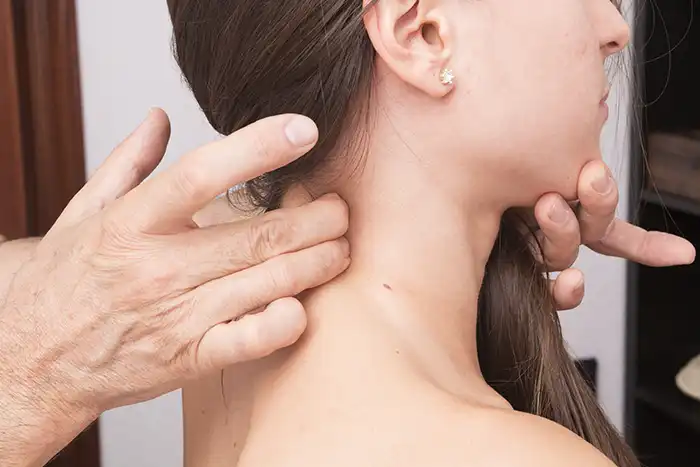
This is why a functional evaluation is often an important first step with each of our clients. Instead of only asking where it hurts, the evaluation looks at how your body moves, responds, protects, and communicates. That helps identify which therapies may make the most sense for your specific situation.
Alternative treatment is most helpful when it is targeted, layered, and based on what the body actually needs. You can learn more about that process by first connecting with our practitioners and getting a comprehensive evaluation.
Steroid Injections versus Alternative Treatments: The Main Difference
The biggest difference between steroid injections versus alternative treatments is often the goal of care. Steroid injections are generally used to reduce inflammation and pain in a specific area. Alternative treatments at Wholistic Healing are designed to look at why an area may be irritated, overloaded, restricted, or unable to recover well.
That distinction matters, because if your main goal is short-term pain reduction, an injection may be part of the conversation with your medical provider. If your goal is to improve how your body moves, heals, and handles stress over time, a non-invasive care plan may offer a more complete path forward.
This is especially important for people who feel like they are living in a recurring pain cycle. The issue may not be a lack of effort. It may be that the body has not been given the right support to rebuild function.
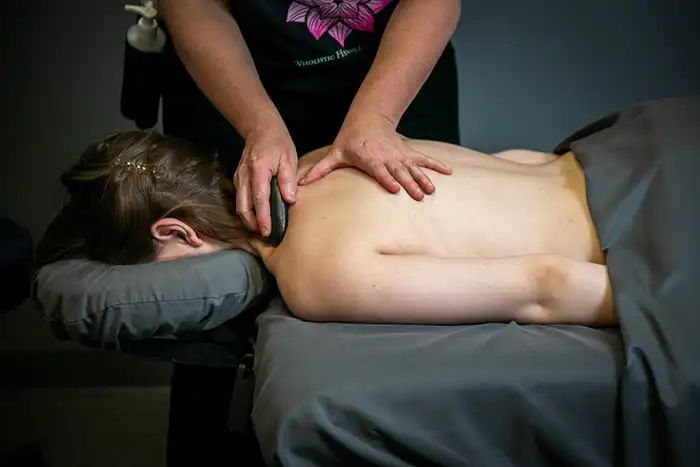
At Wholistic Healing Experiences, alternative care may include Functional Neurology, Medical Massage, SoftWave Tissue Regenerative Therapy, Stimpod neuromodulation, mobility work, soft tissue therapies, and other targeted strategies depending on the person’s needs.
The purpose is to choose the right combination of support so the body can begin moving out of protection and back toward better function.
When a Non-Invasive Approach May Make More Sense
A non-invasive approach may be worth considering if pain keeps coming back, if relief is not lasting, or if you feel like no one has fully explained why the problem keeps returning.
It may also make sense if you want to explore options before committing to injections, repeated procedures, or more aggressive interventions. Many people in Colorado Springs are not just looking for temporary pain reduction. They are looking for a treatment that supports their ability to stay active, continue doing the things they enjoy and maintain their lifestyle over the long term.
Non-invasive care may be especially helpful when:
- Pain returns after temporary relief
- Movement feels stiff, or restricted
- Symptoms shift from one area to another
- You feel like your body is compensating
- You want a clearer plan before choosing your next step
- You prefer to start with conservative care when appropriate
This type of approach can also appeal to people who have already tried several providers, treatments, or procedures without the lasting change they hoped for. Wholistic Healing works with people who want to better understand their body and take a more complete approach to healing.
Choosing the Right Next Step for Your Body
The right choice depends on considering your situation, your goals, and how your body responds to treatment. For some people, injections may be part of a larger treatment plan. For others, non-invasive care may be a better fit. What matters most is that the decision is made with clarity, not fear or frustration.
If you are trying to decide what makes sense, pay attention to the bigger pattern. Are symptoms improving over time, or are they simply being suppressed for a while? Are you gaining strength, mobility, and confidence, or are you waiting for the next flare-up? Do you understand why your body is hurting, or are you still guessing?
At Wholistic Healing Experiences, the goal is to help patients move beyond short-term relief and toward a more complete understanding of what their body needs. Through a functional evaluation and personalized treatment plan, care can be built around your actual patterns instead of only the location of pain.
If you are in Colorado Springs and want to explore non-invasive pain solutions before deciding your next step, start here by getting a comprehensive evaluation.
Frequently Asked Questions:
What is the difference between steroid injections and alternative treatments?
Steroid injections typically focus on reducing inflammation in a specific area. Alternative treatments may focus on improving movement, soft tissue function, nervous system communication, mobility, and the underlying patterns contributing to pain.
Can I try non-invasive care before getting a steroid injection?
Many patients choose to explore conservative, non-invasive care first when appropriate. By booking a comprehensive evaluation, we can help identify whether Wholistic Healing’s approach may be a good fit for your symptoms and goals.
What if I already had steroid injections?
You can still explore alternative treatments after having injections. Many patients seek care because they want to improve function, reduce recurring flare-ups, and better understand what is contributing to their pain.
Do alternative treatments work immediately?
Some patients notice changes quickly, while others need a consistent plan over time. The goal is not just fast relief, but better function, improved mobility, and a clearer path toward lasting progress.
Are steroid injections bad for pain?
Steroid injections are not automatically bad. They are a medical option that may help reduce inflammation and pain for some patients. The bigger question is whether they are part of a larger plan to address why the pain developed or keeps returning.
What types of pain can Wholistic Healing help with?
We work with many pain-related concerns, including chronic pain, injury recovery, nerve-related symptoms, migraines, soft tissue dysfunction, mobility limitations, and pain that has not responded well to standard approaches.
Why do symptoms come back after temporary relief?
Symptoms may return when the underlying movement, tissue, nerve, or brain-body patterns have not fully changed. Temporary relief can calm pain, but the body may need targeted support to restore better function.
How do I know which approach makes sense for me?
A functional evaluation can help clarify what your body needs. Instead of guessing, we look at how your body moves, protects, compensates, and communicates so your care plan can be more specific.