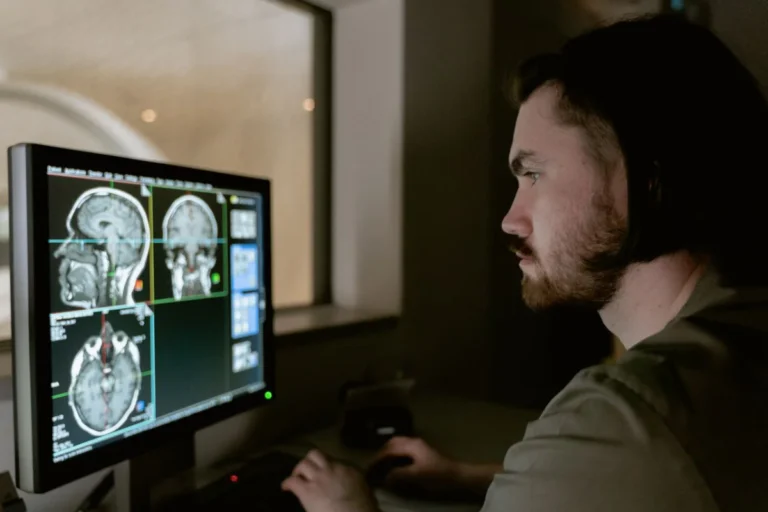



You finally got your MRI results, and everything came back “normal.” So why does your back still hurt every time you bend over? Why does your shoulder wake you up at night? And why do you still feel like something is wrong when you’ve been told everything looks fine?
At Wholistic Healing Experiences, we meet people every week who are living with pain despite having normal imaging. If you’re experiencing pain with normal scans in Colorado Springs, you’re not imagining your symptoms, and you’re certainly not alone.
Why Your MRI or X-Ray Doesn’t Tell the Whole Story
An MRI is great at finding a broken bone or a torn ligament, but it can’t tell us how well your nervous system is functioning. It also can’t show whether muscles are compensating for an old injury or if irritated nerves are keeping your pain signals switched on.
MRIs, CT scans, and X-rays are designed to identify structural problems such as fractures, torn ligaments, herniated discs, or severe arthritis. They do not measure how well your muscles, nerves, fascia, or brain are functioning together.
Many people experience significant pain despite having completely normal imaging results. Others may have severe abnormalities on their scans yet feel very little discomfort. This disconnect shows that pain is far more complex than structural damage alone.
Normal scans don’t always mean nothing is wrong. Our comprehensive approach looks beyond structural damage to identify the root causes of chronic pain and help you heal.
Hidden Causes of Chronic Musculoskeletal Pain
Imagine tweaking your back while moving furniture. The muscles heal within a few weeks, but months later you’re still struggling to sit through a meeting or take a walk around the neighborhood. Your MRI doesn’t show anything concerning, yet the pain is still there. We see stories like this every day, and they often point to problems that imaging simply can’t detect.
Dysfunctional Nerve Signaling
Your nervous system constantly sends messages between your brain and body. After an injury, surgery, repetitive stress, or even prolonged inflammation, those signals can become disrupted.
Instead of turning pain signals off after healing occurs, the nervous system may continue sending pain messages long after the tissues have recovered. This is sometimes referred to as “persistent pain” or “central sensitization.”
At Wholistic Healing Experiences, our Functional Neurology evaluations help identify whether abnormal nerve communication is contributing to your symptoms.
Scar Tissue and Fascial Restrictions
Scar tissue isn’t always visible on an MRI. Neither are many fascial restrictions that develop after injuries, surgeries, repetitive movements, or chronic inflammation.
Fascia surrounds every muscle, tendon, ligament, and organ in your body. When it becomes restricted, it can limit movement, create abnormal tension patterns, and place excessive stress on surrounding tissues.
These restrictions often contribute to:
- Neck pain
- Shoulder pain
- Low back pain
- Hip pain
- Knee pain
- Chronic muscle tightness
- Reduced mobility
Treating these restrictions often restores normal movement and significantly decreases pain.
Your Brain May Be Protecting You
While pain is very real, your brain plays the central role in how pain is processed. That means the amount of pain you feel doesn’t always match what shows up on an MRI.
If the brain believes movement is dangerous, it can continue producing pain even after healing has occurred. This protective response is designed to keep you safe, but it can become overactive.
Previous injuries, chronic inflammation, poor balance, altered movement patterns, stress, and nervous system dysfunction can all influence how the brain processes pain. This explains why some patients continue hurting despite normal scans and why traditional treatments sometimes provide only temporary relief.
Muscle Compensation Creates Ongoing Pain
When one muscle becomes weak or inhibited, nearby muscles compensate. These compensation patterns may develop after an injury, surgery, repetitive work activities, or years of poor movement mechanics. Eventually these overworked muscles become painful, even though they aren’t actually the original problem.
Without identifying the root dysfunction, treatments often focus only on where the pain is located instead of why it developed. This is one of the reasons patients in pain with normal scans in Colorado Springs often experience recurring symptoms after temporary relief from injections, medications, or passive therapies.
Inflammation Doesn’t Always Show Up on Imaging
Inflammation can irritate nerves, muscles, tendons, and connective tissue without creating obvious structural changes.
Chronic low-grade inflammation may result from poor nutrition, stress, previous injuries, autoimmune conditions, metabolic dysfunction, or repetitive physical strain. Reducing inflammation while improving nervous system function often produces meaningful improvements in pain and mobility.
Our team considers the entire picture instead of focusing only on imaging results.
A Different Approach to Chronic Pain
At Wholistic Healing Experiences, we believe every patient deserves answers beyond “your scans look normal.”
Our comprehensive evaluations are designed to uncover functional problems that traditional imaging frequently misses. Rather than simply masking symptoms, we focus on identifying why your pain continues.
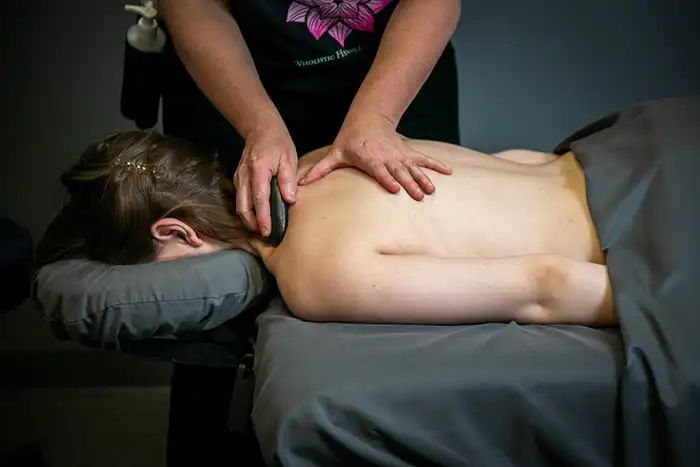
Depending on your individual needs, your personalized treatment plan may include Medical Massage, Functional Neurology, SoftWave Therapy, STIMPOD Neuromodulation Therapy, corrective movement strategies, and other therapies that support your body’s natural healing process.
By addressing the underlying cause, many patients experience improvements in pain, mobility, strength, balance, and overall quality of life.
You Don’t Have to Live In Pain with Normal Scans in Colorado Springs
Hearing “everything looks normal” can leave you feeling discouraged, especially when you know your pain is real. The good news is that normal imaging doesn’t always mean there isn’t an underlying problem. It simply means it’s time to look at the body differently.
There is often more to investigate if your pain is affecting your work, sleep, hobbies, or daily activities. Functional problems involving the nervous system, muscles, fascia, movement patterns, and inflammation frequently exist without appearing on medical imaging.
If you’re struggling with pain with normal scans in Colorado Springs, our team is here to help uncover the hidden causes behind your symptoms and create a personalized plan for lasting relief. Please call us at (719) 212-1336 to schedule an appointment.
Frequently Asked Questions
Can I still have chronic pain if my MRI is normal?
Yes. Many causes of chronic pain involve nerve function, muscle compensation, fascia, inflammation, or altered movement patterns that do not appear on standard imaging studies.
Why do doctors say everything looks normal when I still hurt?
Medical imaging evaluates structural damage, but it cannot measure how well your nervous system, muscles, and connective tissues are functioning together during movement. If you experience persistent pain with normal scans in Colorado Springs, we can help.
What conditions can cause pain without abnormal imaging?
Persistent nerve dysfunction, muscle imbalances, fascial restrictions, chronic inflammation, repetitive strain injuries, and central sensitization are all possible causes of ongoing pain despite normal scans.
How does Functional Neurology help chronic pain?
Functional Neurology evaluates how your brain and nervous system communicate with the rest of your body. Improving these pathways can reduce pain and improve movement without surgery.
Can SoftWave Therapy help if imaging is normal?
Yes. SoftWave Therapy stimulates the body’s natural healing response, improves circulation, reduces inflammation, and supports tissue repair even when structural damage is not visible on imaging.
Is Medical Massage different from regular massage?
Yes. Medical Massage focuses on correcting specific dysfunctions that contribute to pain rather than simply providing temporary relaxation.
Why does my pain keep coming back after injections?
Injections often reduce inflammation temporarily, but they may not address the underlying movement dysfunction, nerve irritation, or muscular compensation patterns causing the pain.
When should I seek another opinion for chronic pain?
If you’ve had persistent pain for several weeks or months despite normal imaging and conventional treatments, a comprehensive functional evaluation may help identify overlooked contributors to your symptoms.