

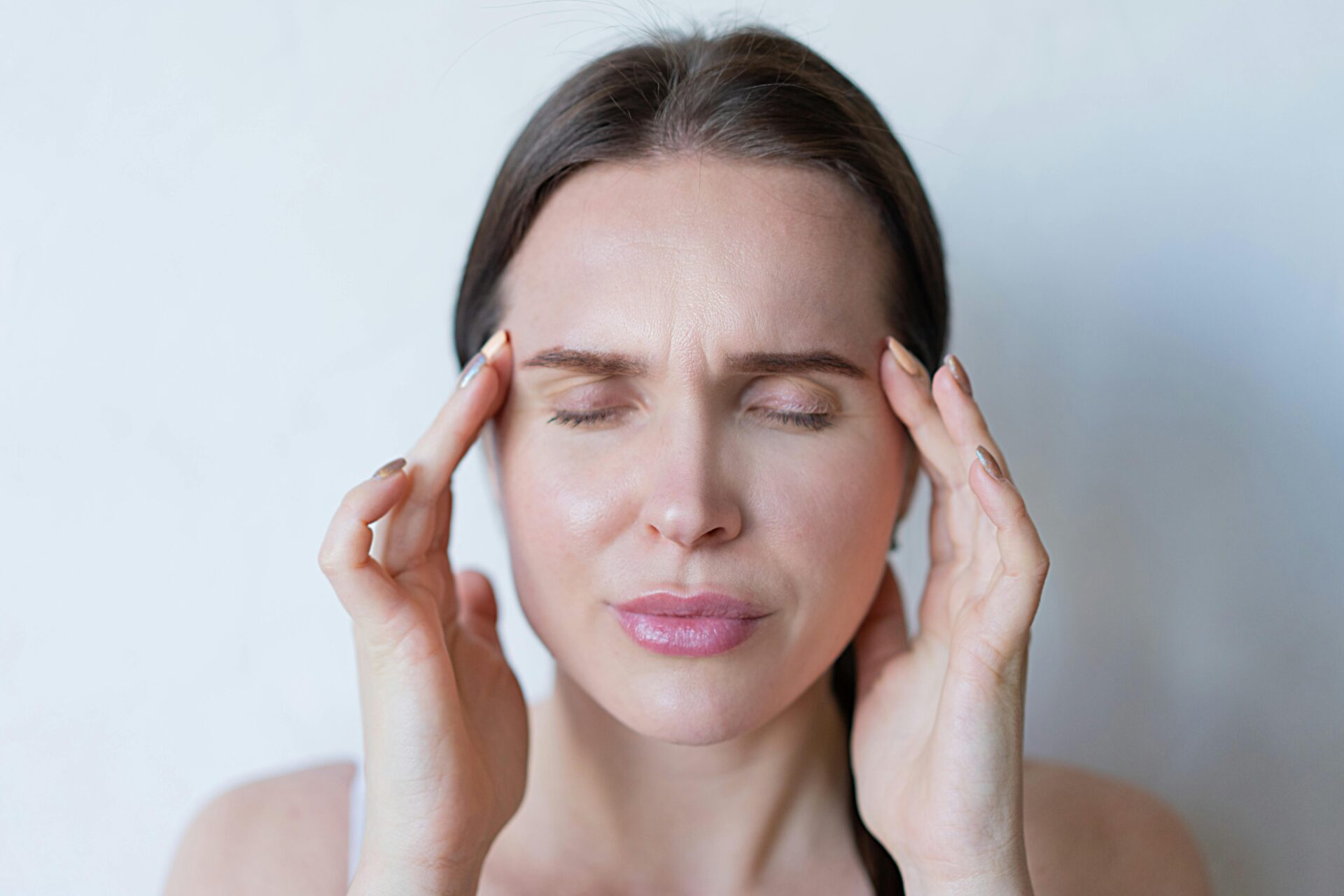
For people living with chronic migraines, relief often feels like a moving target. Medications may dull the pain temporarily, but they don’t always address the underlying cause. In recent years, Botox injections have been promoted as a treatment option. While some patients find success, others prefer to explore more natural, non-invasive methods before committing to repeated injections.
So what else is out there? What are the most effective alternatives to Botox for migraines? And most importantly, what actually works?
At Wholistic Healing Experiences, we specialize in approaches that go deeper than symptom relief. By looking at the root causes of migraines and supporting the brain and nervous system, we help clients create lasting changes. Let’s take a closer look at why Botox isn’t the only option and explore natural alternatives that may provide real relief.
Why People Look for Botox Alternatives
Botox injections are FDA-approved for chronic migraine, but they’re not the right fit for everyone. Some people are hesitant about the idea of injecting a toxin into their body. Others find the results inconsistent or temporary. And for many, the cost and the need for repeat treatments every few months make Botox less appealing as a long-term solution.
Most importantly, Botox doesn’t address the root cause of migraines. It works by temporarily paralyzing nerve endings to reduce pain signals, but it doesn’t ask the bigger question: why is the brain producing migraine pain in the first place?
Functional Neurology: A Wholistic Alternative
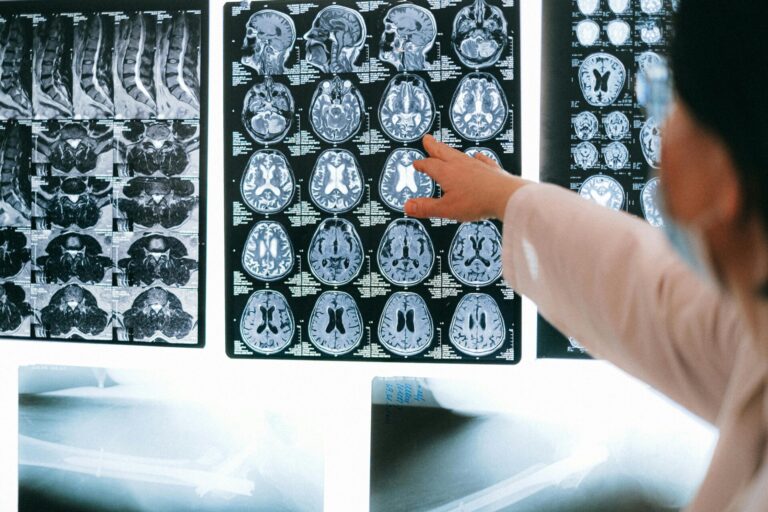
One of the most powerful alternatives to Botox for migraines is functional neurology treatment. Migraines are often the result of miscommunication within the nervous system, such as overactive pain pathways, hypersensitivity to light and sound, or imbalances in how the brain processes sensory input.
Functional neurology works by retraining the brain to respond differently. Through targeted therapies like visual and balance exercises, sensory stimulation, and gentle adjustments, we can help calm the nervous system and reduce the frequency and intensity of migraine attacks.
Instead of shutting down nerve function (as Botox does), functional neurology helps restore healthier patterns of communication in the brain. Over time, this can lead to longer-lasting results without the need for ongoing injections.
Nutritional Approaches
What you eat directly affects how your nervous system and brain function. For many migraine sufferers, certain foods are common triggers, things like processed meats, aged cheeses, alcohol, and artificial sweeteners. Identifying and removing these triggers can make a significant difference.
Beyond avoiding triggers, nutrition can also be a powerful tool for prevention. Anti-inflammatory foods, hydration, and balanced blood sugar levels all play a role in calming the nervous system. Supplements like magnesium, riboflavin (B2), and CoQ10 have also shown promise in reducing migraine frequency.
While Botox addresses symptoms, nutritional strategies address one of the root causes of migraine vulnerability: inflammation and imbalance in the body.
Stress Reduction and Mind-Body Therapies
Stress is one of the most common migraine triggers, and managing it effectively can often reduce attacks. Practices like meditation, yoga, breathwork, and biofeedback help regulate the nervous system and bring the body back into balance.
Unlike Botox, which temporarily numbs nerve activity, stress reduction techniques strengthen your body’s resilience over time. When your nervous system learns to calm itself more effectively, migraines are less likely to spiral out of control.
Chiropractic and Manual Therapy
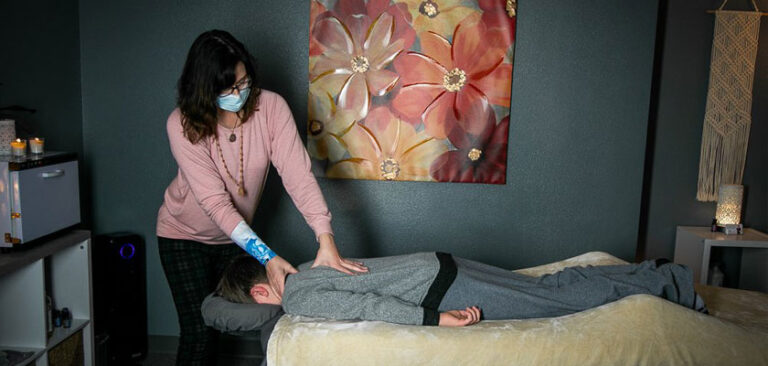
Gentle chiropractic adjustments, craniosacral therapy, and other manual therapies can also serve as alternatives to Botox for migraines. Many migraine sufferers carry tension in the neck, jaw, and upper back, which can worsen nerve irritation and contribute to attacks.
By restoring alignment and improving circulation, these therapies reduce pressure on sensitive nerves and promote better neurological function. They don’t just mask the pain but support the physical foundation of the nervous system.
Sleep and Lifestyle Support
One of the simplest yet most overlooked migraine treatments is quality sleep. Poor sleep patterns or irregular schedules can trigger migraines just as much as diet or stress. Creating a consistent sleep routine, reducing blue light exposure before bed, and supporting natural circadian rhythms can all make a big difference.
Lifestyle changes like regular movement, hydration, and reduced caffeine or alcohol also go a long way in preventing attacks. These may sound basic, but together they provide the body with a stable foundation, something Botox injections can’t offer.
Acupuncture and Natural Therapies
For those who prefer traditional or complementary approaches, acupuncture has been shown to reduce migraine frequency and intensity in many patients. The practice works by stimulating specific points in the body to balance energy flow and improve nervous system regulation.
Other natural therapies, such as massage, essential oils, and herbal remedies, can also help some people manage migraine symptoms and reduce stress. While results vary, many clients prefer these gentle, non-invasive options over pharmaceutical injections.
Why Wholistic Approaches Work Better Long-Term
The biggest difference between Botox and functional or natural alternatives is the focus on root causes. Botox is temporary and requires repeated treatments. Wholistic therapies, on the other hand, aim to create lasting change by helping the brain and body function more smoothly.
This doesn’t mean that results happen overnight. Healing takes time and often requires a combination of strategies. But for people who want to move away from dependency on injections or medications, holistic migraine care provides a sustainable path forward.
Creating a Personalized Plan
At Wholistic Healing Experiences, we know that no two migraines are alike. That’s why we don’t believe in one-size-fits-all solutions. When you come to us, we take time to understand your triggers, your history, and your goals. From there, we build a plan that may include functional neurology, nutrition, stress management, manual therapies, and more.
By layering these approaches together, we can often help clients not only reduce their migraines but also improve their energy, sleep, mood, and overall quality of life.
Beyond Botox
Botox has its place in migraine care, but it’s far from the only option. For those seeking a more natural, root-cause-focused solution, numerous alternatives are available that actually work. Functional neurology, nutrition, stress management, manual therapies, and lifestyle support all offer ways to retrain the nervous system and reduce migraines, without the need for repeated injections.
At Wholistic Healing Experiences, we’re here to help you find the right path. Migraines don’t have to define your life, and with the right support, long-term relief is possible.
Contact us today to schedule an appointment.