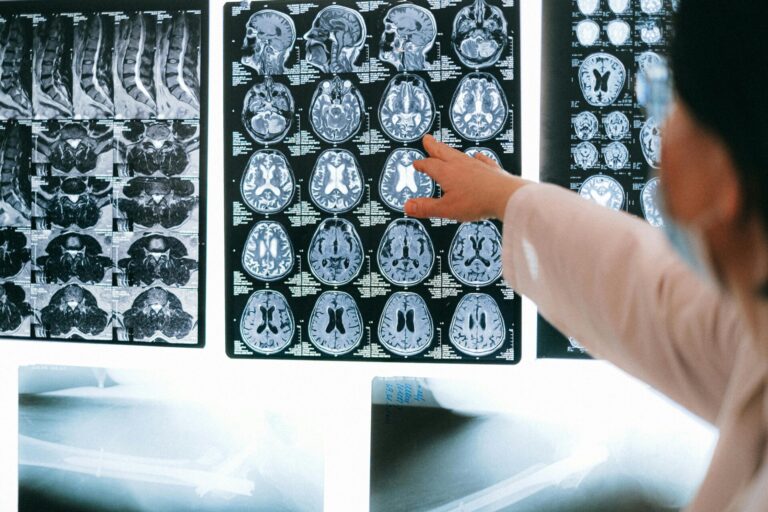



Living with nerve pain, also known as neuropathic pain, can be draining and isolating. Whether the cause is sciatica, autoimmune issues, or injury, the sensations of burning, tingling, sharp electric jolts, or numbness can make everyday life more challenging. In addition to the physical symptoms, nerve pain often disrupts sleep, mood, mobility, and mental clarity. For many, reliance on medications feels like a last resort due to side effects, limited relief, or the desire for more natural and lasting solutions.
If this sounds familiar, there is hopeful news. You can significantly reduce nerve pain and regain a higher quality of life through holistic brain-body approaches. At Wholistic Healing Experiences, we believe in treating more than just the symptoms. We focus on identifying root causes, restoring function, supporting nervous system recovery, and helping you feel stronger, more mobile, and pain-free, with minimal reliance on pharmaceuticals. We are here to help you create a personalized plan for managing nerve pain.
What Makes Nerve Pain Different and Why Drugs Alone May Not Be Enough
Nerve pain isn’t simply about damaged tissue; it often involves dysfunction in how your nerves send signals and how your brain processes them. Sometimes the nervous system remains in a state of heightened sensitivity, or neural pathways get stuck in maladaptive movement or posture patterns. Conventional drugs may dull sensations, reduce inflammation, or reduce excitability, but they often don’t correct the nervous system dysfunction. Over time, overuse of pain meds can lead to tolerance, side effects, or only partial relief.
Holistic therapy aims to support your body’s inherent ability to heal the nervous system, musculoskeletal structure, circulation, and your brain’s pain-inhibitory networks. Rather than just suppressing symptoms, it works to restore balance.
Drug-Free Strategies for Nerve Pain Management
Here are several approaches, some traditional and some more innovative, that many people find helpful. Many work best when combined, tailored to your body history and specific symptoms.
Physical Therapy, Movement & Functional Neurology
- Neuromuscular retraining and functional neurology help address the root dysfunction in how your body moves, how your brain and spinal cord interpret signals, and how your muscles, joints, and nerves are aligned and activated.
- Movement therapies, nerve gliding exercises, desensitization of hypersensitive areas, gentle stretching, aquatic therapy, and strength training can all improve circulation, reduce tension, and ease pressure on nerves.
- At Wholistic Healing Experiences, therapies aim not just at the site of pain, but also at the patterns in posture, movement, and neurological processing that sustain it.
Massage, Alignment, and Soft Tissue Therapies
- Therapeutic massage, myofascial alignment, and massage cupping are tools that reduce muscle tension, scar tissue restrictions, joint misalignments, and increase blood flow.
- These treatments help soothe irritations around nerves, reduce inflammation, and improve flexibility. When the physical structure supports the body well, nerves are less likely to be compressed or irritated.
Microcirculation & Regenerative Tools
- Enhancing circulation is vital for nerve health. Therapies such as B.E.M.E.R. microcirculation, soft-wave tissue regenerative therapy, topical soothing agents, and other modalities that improve local blood flow and reduce oxidative stress help deliver oxygen, nutrients, and immune support to affected areas.
- Proper circulation also helps remove inflammatory byproducts that can irritate nerves.
Sensory & Neuro-Modulation Techniques
- Techniques that modulate the nervous system’s response to pain can be powerful. For example, the brain has “pain inhibitory networks” intended to dampen pain signals. If those networks aren’t functioning correctly, pain feels more intense or persistent.
- Modalities like VoxxLife wearable neurotechnology, reflexive performance reset tools, motion guidance systems, or various forms of neuromodulation (non-electrical stimulation) can help “reset” dysfunctional signal processing.
- During your sessions, these techniques may be combined with therapeutic touch, hot towels, aromatherapy, or acupressure to help the nervous system relax and recalibrate.
Topical & Local Therapies
- Using topical agents (soothing creams, ointments, or oils) that reduce inflammation, numb locally, or support tissue health can provide immediate relief in areas of acute pain or sensitivity.
- Techniques like kinesiology taping, which provide gentle physical support or altered sensory input to the skin and fascia, may help reduce strain on nerves and alter how signals are transmitted.
Mind-Body & Stress Reduction
- Chronic pain and stress reinforce each other. Elevated stress hormones, poor sleep, emotional tension, and negative thoughts can amplify pain. Using mindfulness, breathing work, meditation, guided imagery, or relaxation techniques helps reduce the nervous system’s overall excitability.
- Cognitive approaches (such as understanding pain, reframing thoughts, and improving sleep hygiene) support resilience. Emotional well-being often determines the effectiveness of other therapies.
Lifestyle Foundations
- Healthy nutrition plays a role in reducing systemic inflammation, providing the nutrients nerves need (for example, B vitamins, antioxidants, omega-3s).
- Regular, appropriate movement (such as walking, stretching, and low-impact strength training) helps maintain joint mobility, reduces stiffness, and supports neural pathways.
- Good hydration, optimized sleep, managing blood sugar (especially relevant for diabetic nerve pain), reducing toxins (smoking, excessive alcohol), and maintaining a healthy body weight all underpin effective nerve healing.
Putting Into Practice
Here’s how our offerings align with many of the above proven strategies, so you can see what integrating these might look like:
- A brain-body approach, including functional neurology, to address neurological dysfunction that underlies many chronic pain and nerve issues.
- Therapies supporting circulation and tissue repair—such as B.E.M.E.R. microcirculation therapy, soft-wave regenerative therapies, and topical soothing treatments.
- Soft tissue therapies include massage, cupping, myofascial release, auricular acupressure, hot towels, and tools such as kinesiology taping.
- Use of neurotechnology or sensory modulation tools (VoxxLife wearable tech, performance reset methods) to support recalibration of how your nervous system processes pain.
- Supporting comfort and recovery with aromatherapy, hot towels, topical products like Deep Blue or soothing CBD-based balms, and supportive touch.
- Education, client-specific care plans, and guidance in self-management—because lasting change often happens when you carry tools and awareness into your everyday life.
Building Your Multi-Modal Plan
Because nerve pain is multifaceted, no single therapy is likely to resolve everything. A combination of therapies typically works best. Here’s a structure to help you think through a plan:
- Comprehensive Assessment – Begin with a detailed examination of your nervous system, movement patterns, alignment, posture, history of injury, lifestyle, and what has been tried so far.
- Acute Relief Tools – For flare-ups or painful days, use topical agents, soothing touch, comforting heat, perhaps wearables or neurotechnology to reduce discomfort quickly.
- Ongoing Therapeutic Support – Regular massage, alignment work, functional neurology sessions, regenerative or circulation‐boosting therapies to rebuild tissue, reduce constriction, improve nerve resilience.
- Mind-Body Practices & Emotional Support – Meditation, mindfulness, breathing, stress reduction, sleep improvement. Possibly support from coaching, counseling, or therapeutic movement.
- Lifestyle Integration – Nutrition, hydration, movement that’s safe and effective, rest, reducing external stressors, and maintaining healthy metabolic and immune function.
- Monitor & Adapt – What helps? What causes flare-ups? Adjust frequency, combination, and intensity of therapies. Healing isn’t linear; stay flexible and patient.
What to Consider & When to Seek Medical Oversight
- If you have a pacemaker or electrical implant, certain neuro-modulation or wearable technologies may be contraindicated; speak with your medical professionals.
- When pain appears suddenly and worsens rapidly, accompanied by profound numbness, weakness, or loss of motor control, seek medical evaluation.
- For conditions such as diabetic neuropathy or autoimmune nerve involvement, it’s vital to maintain medical oversight for factors like blood sugar control, immune status, and overall health.
- Non-drug therapies are powerful, but often work best in concert with any needed medical care—not always as complete replacements. Transparency with your providers is essential.
Transform Your Health
Drug-free nerve pain management isn’t just possible but can be deeply transformative. With approaches that include brain-body work, neuro-modulation, tissue repair, movement, sensory therapies, stress reduction, and lifestyle change, many people find relief, restored function, and greater freedom from pain.
At Wholistic Healing Experiences we’re committed to helping you find what works for you. If you’ve felt like nothing has truly helped, or you’re looking for more than symptom management, please reach out to us today! We’ll work together to rebuild root function, support your nervous system, renew your body’s capacity to heal, and help you move toward the pain-free movement, strength, and vitality you deserve.
Frequently Asked Questions (FAQ)
Q: What causes nerve pain?
A: Nerve pain often stems from conditions like diabetes, shingles, sciatica, spinal injuries, or nerve compression. It results from damage or dysfunction in the nervous system.
Q: Can nerve pain really be managed without drugs?
A: Yes. Many people find relief through physical therapy, TENS units, acupuncture, topical treatments, and lifestyle changes—often with fewer side effects than medications.
Q: How long does it take to see results with non-drug therapies?
A: It varies. Some methods, like TENS or topical patches, may bring immediate relief, while therapies like acupuncture, exercise, or CBT may require weeks of consistent practice.
Q: Is acupuncture safe for nerve pain management?
A: Acupuncture is generally safe when performed by a licensed practitioner and has been shown to reduce pain in many neuropathy cases.
Q: Can lifestyle changes alone improve nerve pain?
A: While lifestyle changes may not eliminate nerve pain entirely, they significantly improve outcomes when combined with other therapies. Managing blood sugar, staying active, and reducing stress all support nerve health.
Social Media Summary
Looking for alternatives to medications? Explore effective options for nerve pain management without drugs—like physical therapy, TENS, acupuncture, and holistic care. Learn more: /nerve-pain-treatment
“Managing nerve pain doesn’t have to mean relying on meds. Discover holistic options for nerve pain management—from TENS to acupuncture. #HolisticHealing #NervePain”